I turn an idea into a working service, connecting user flows, AI features, accounts, payments, deployment, and operations.
Product planning · AI integration · Web apps · Deployment
Work with me
I work with teams launching a new service or making everyday work easier.
I turn an idea into a working service, connecting user flows, AI features, accounts, payments, deployment, and operations.
Product planning · AI integration · Web apps · Deployment
I connect repetitive collection, organization, and publishing into one workflow. AI agents such as Claude Code and Codex split planning, work, and review, and a person checks the results and fixes only what needs it.
Data collection · Content publishing · AI agent workflows
I build websites that explain a brand and its products and lead to inquiries or bookings, with responsive layouts and search-friendly structure.
Brand & corporate sites · Portfolios · Inquiries & booking

A work tool for project conversations, tasks, and reports in one place.
AI and email integrations are simulated. Reports are saved in this browser. The demo is in Korean.
01 / Featured project
From interview prep to hiring evaluation

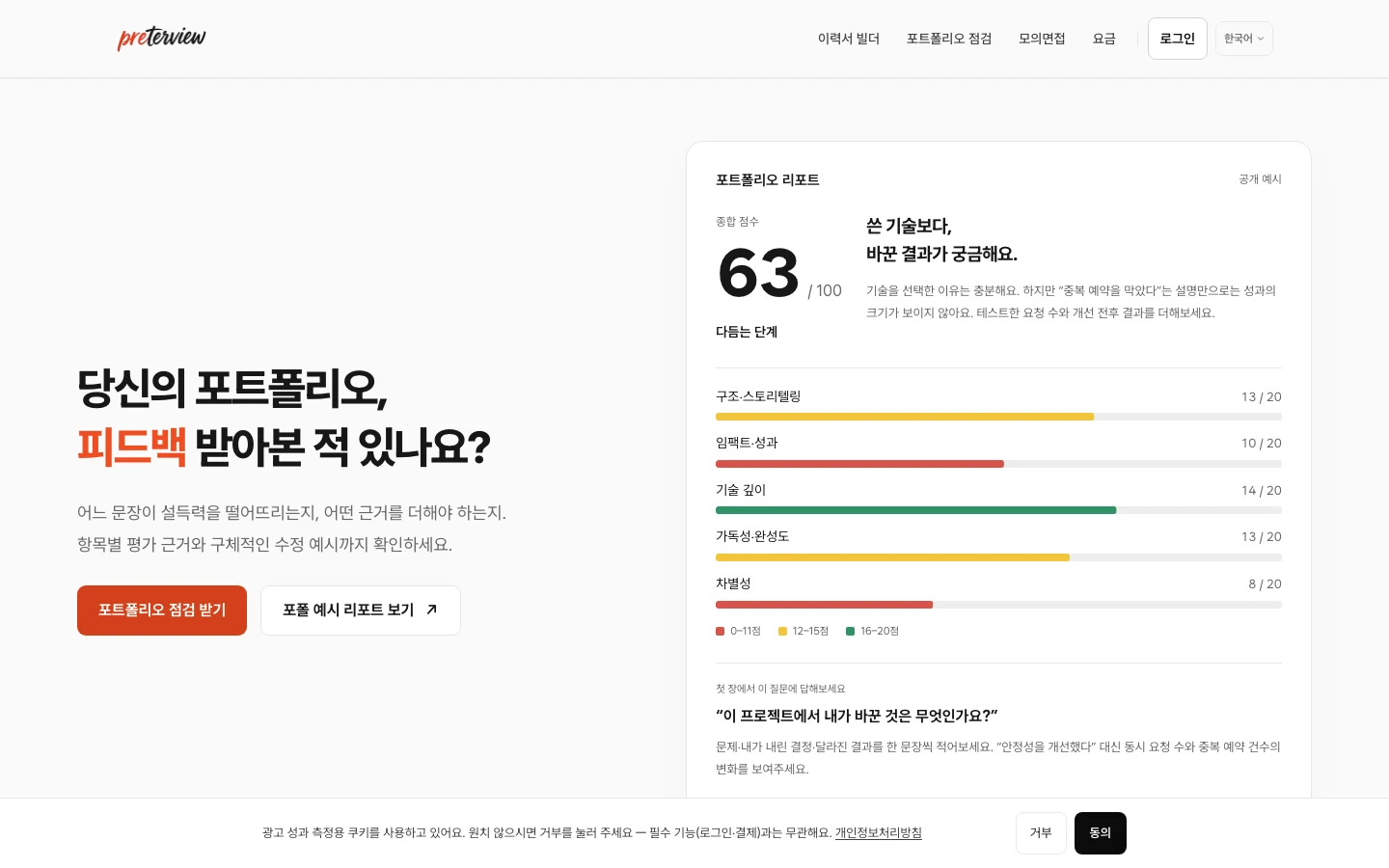
A service for practicing voice interviews based on your resume and portfolio, with feedback on each answer. I’m also developing assessments that examine how people use AI on practical tasks.
02 / Products
I keep working on a product after launch, learning from its use and improving how it runs.
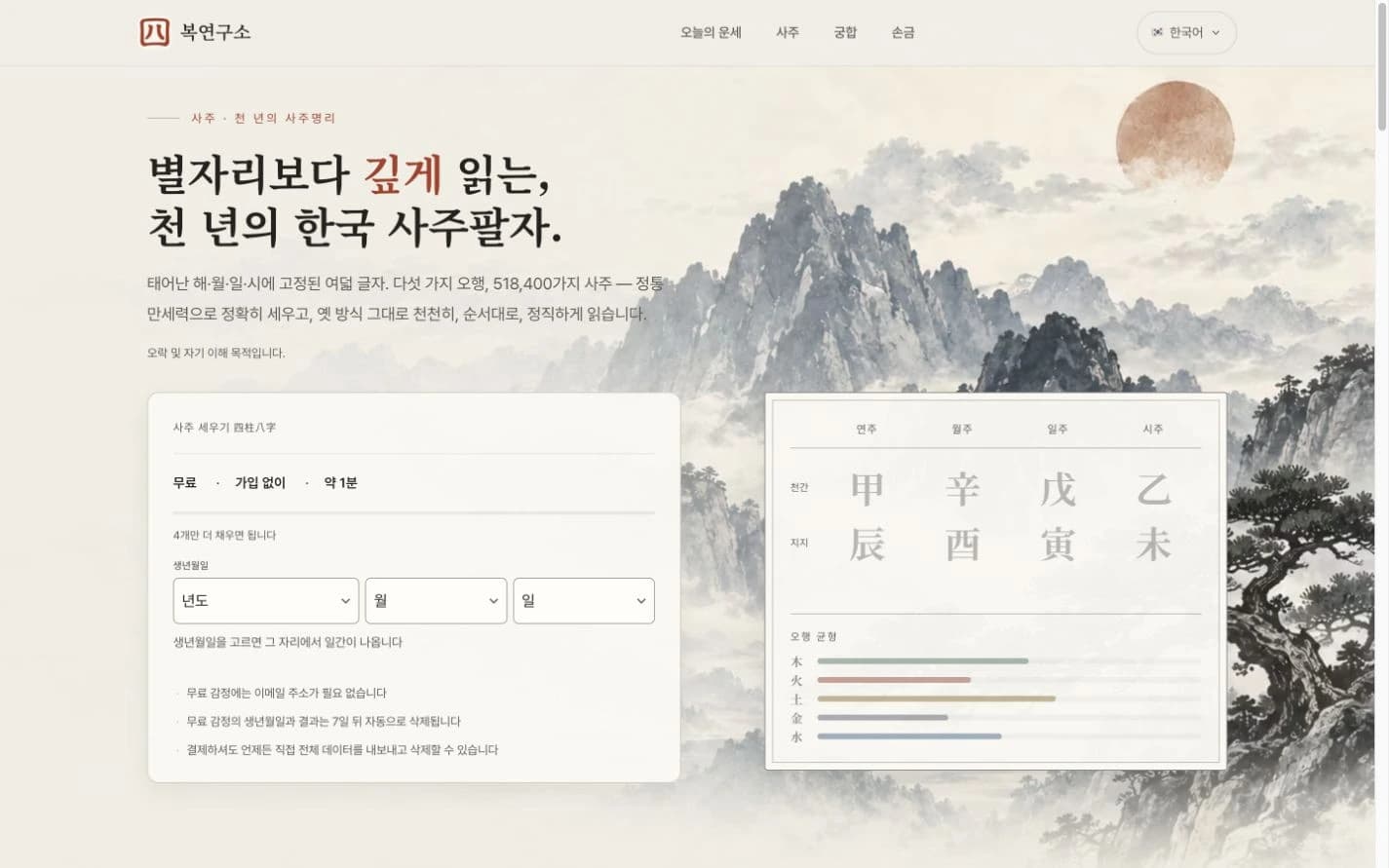
Korean saju readings in eight languages, including Korean, English, Japanese, and Hindi. I develop and operate it.
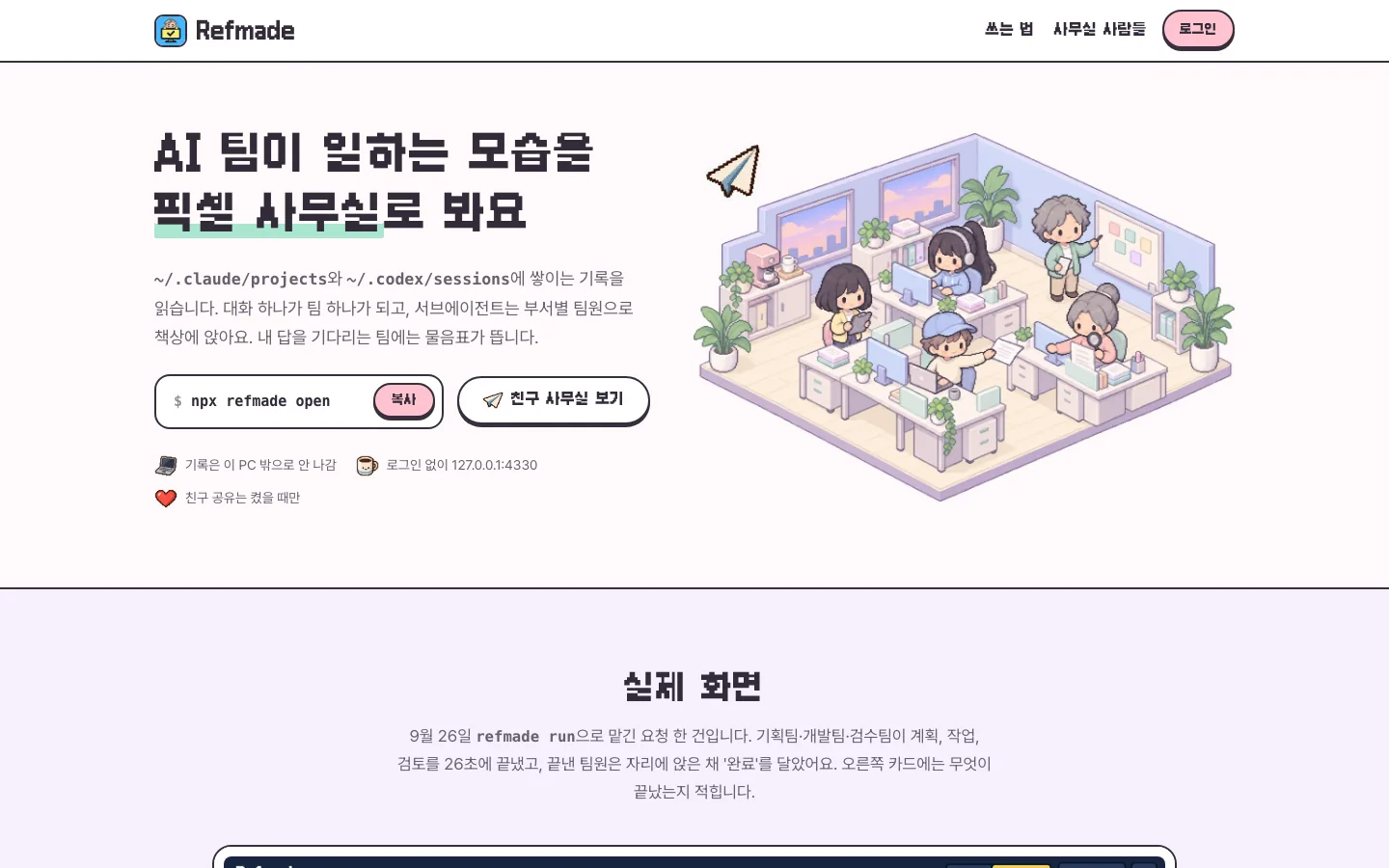
A Mac and Windows app for giving work to Claude Code and Codex from a window instead of a terminal. Progress shows up as a pixel office, in eight languages.
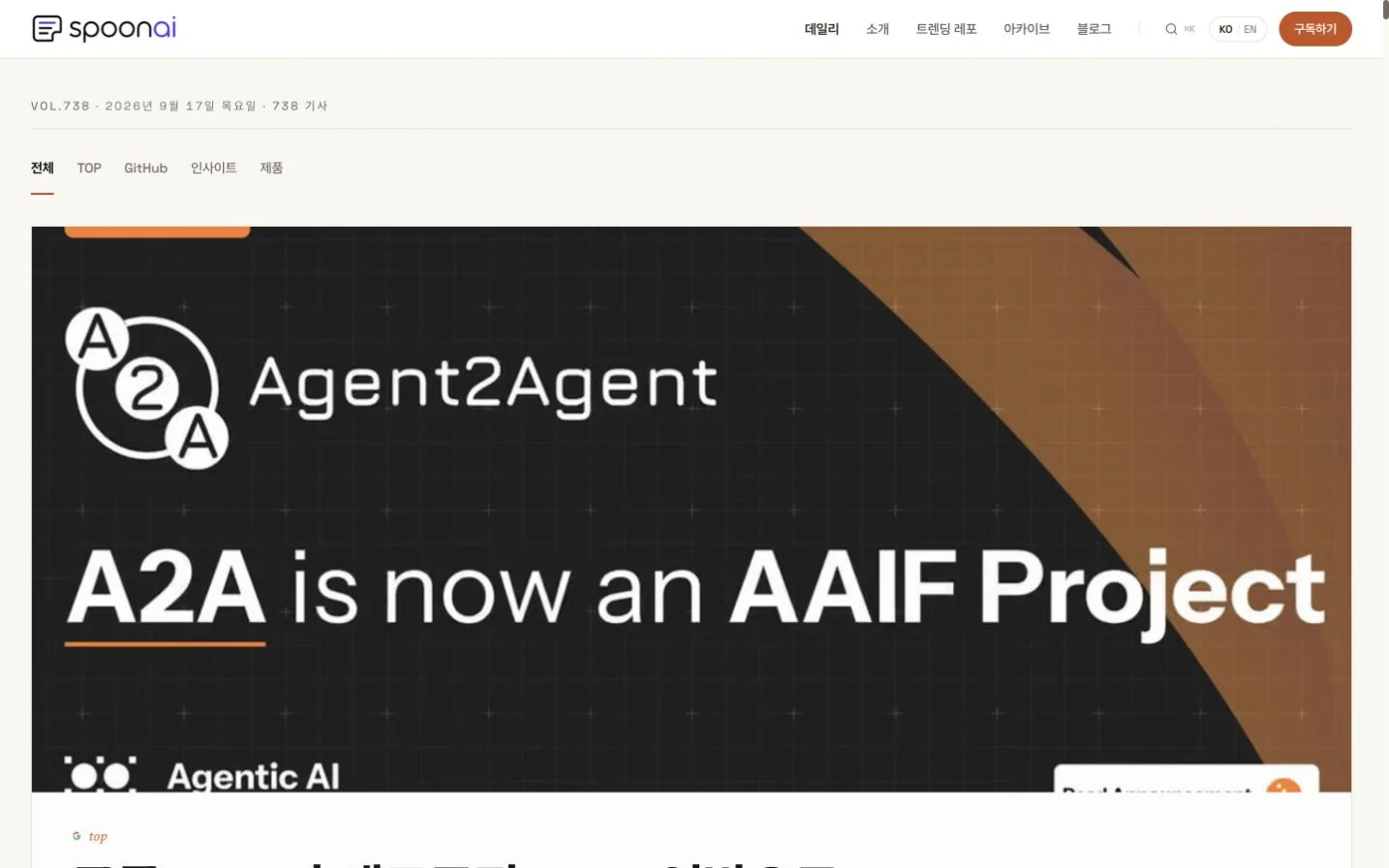
An AI news site with a workflow for gathering stories, preparing content, and publishing.
03 / Websites
Photography, products, technology. Each website starts with what the brand needs to show.
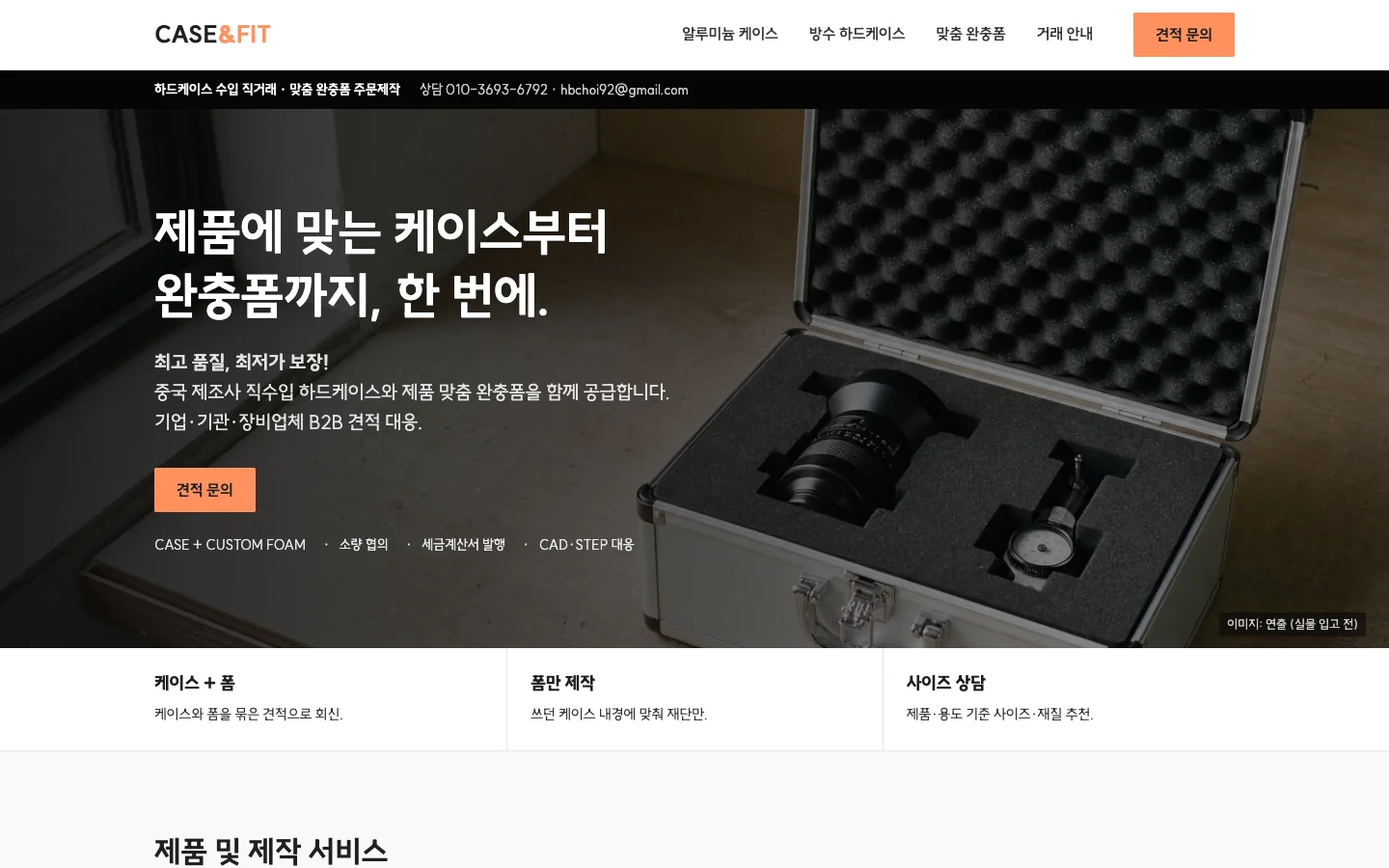
A website for exploring products and case studies and requesting custom production.
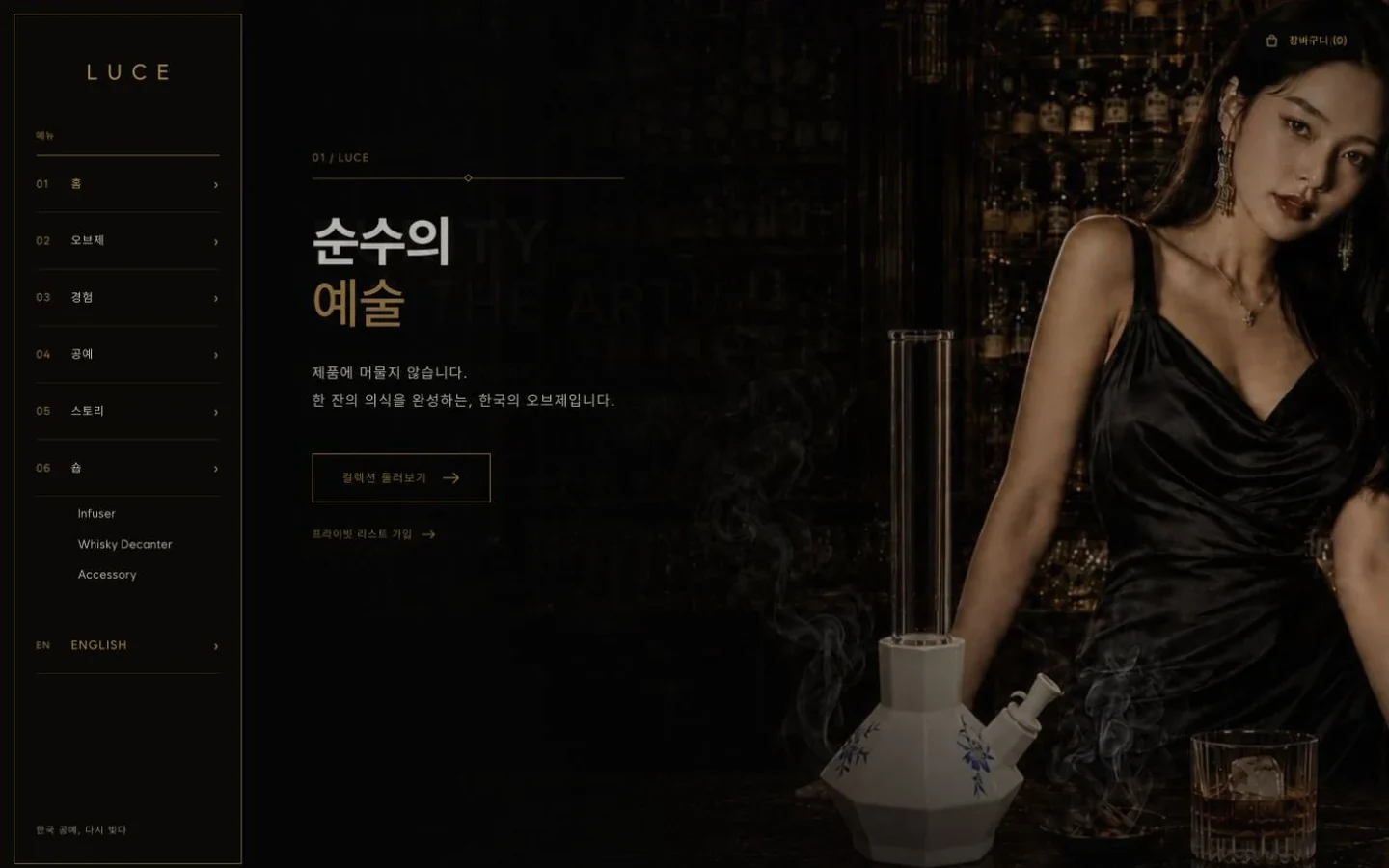
An English and Korean brand website for porcelain and glass infusers.
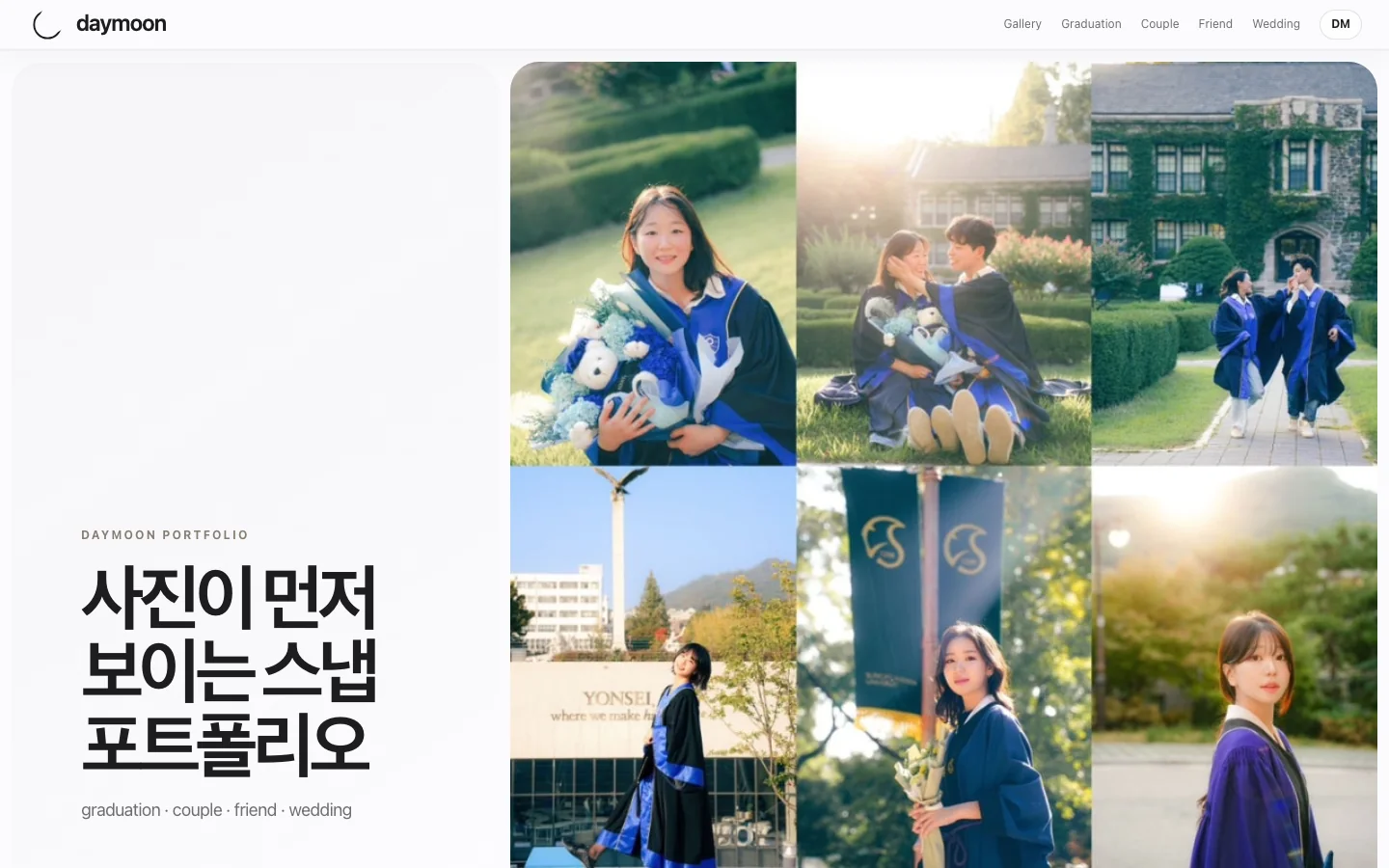
A studio website that connects a photography portfolio with shoot inquiries.
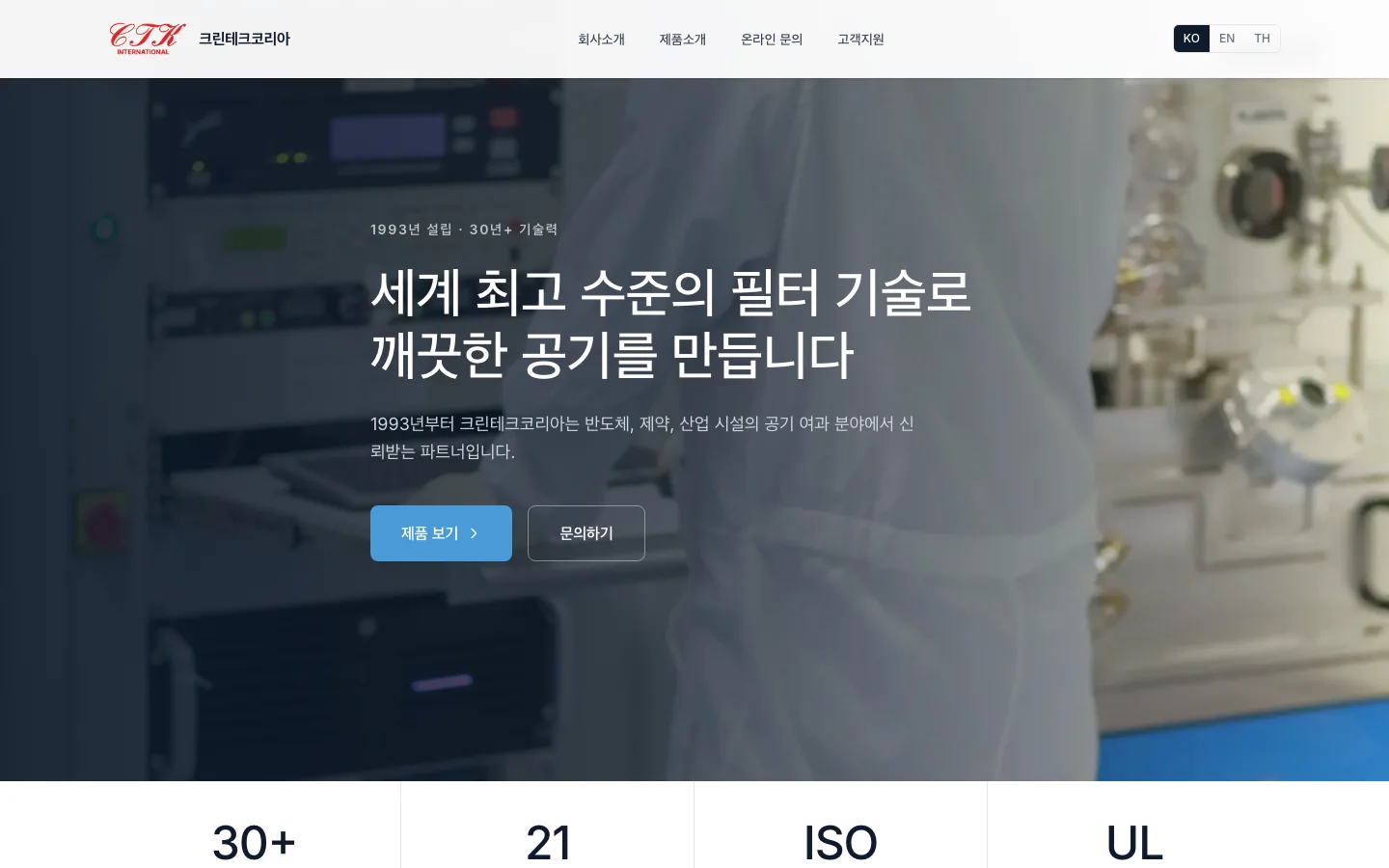
A corporate website presenting an air-filtration company’s products and technology.
Let’s talk
Tell me about the problem you want to solve and where things stand. We can start by discussing how I can help.
Start a conversationAI products · Workflow automation · Websites